
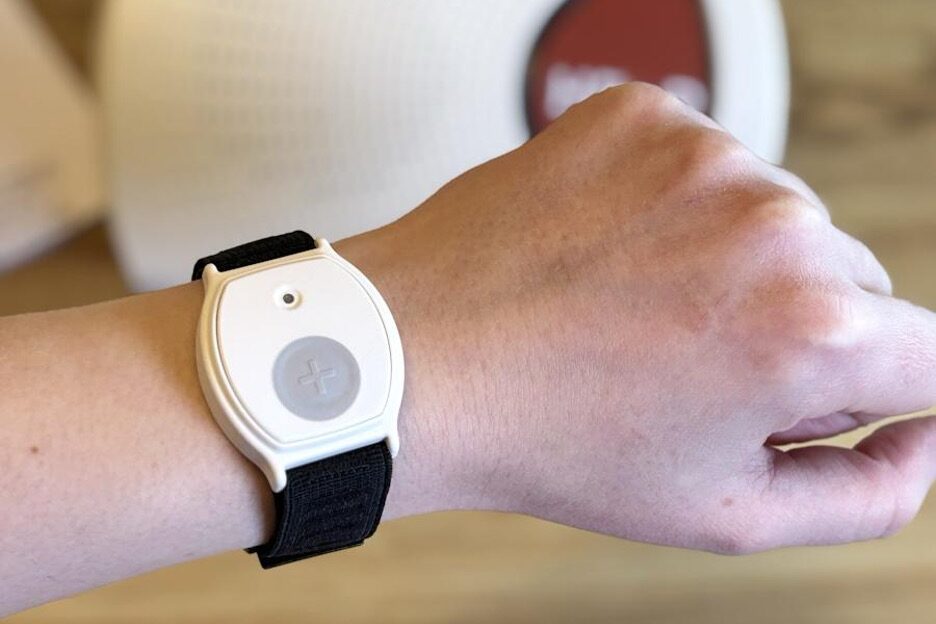
Maria’s taught piano from her Toronto home for four decades. At 78, she still takes on students every week. Most mornings, you’ll find her walking to the corner market with her shopping bag. Her daughter lives clear across the country and used to call constantly just to make sure mom was okay. Then Maria got a small wearable device, and everything shifted.
Today’s monitoring tech has gotten pretty impressive. Older adults can stick to their routines while knowing help’s there if things go sideways. The systems hang back until someone needs them.
Staying Put Makes Seniors Happier
Most older folks have zero interest in packing up and moving. They’ve built entire lives in their neighborhoods over the years. Leaving home for assisted living or depending on round-the-clock supervision feels like losing themselves.
Life Assure and other monitoring companies found a sweet spot. Seniors keep their freedom while family members can finally stop panicking. The tech acts like a safety net without breathing down anyone’s neck.
Research from the National Institute on Aging proves what most of us already suspected. People who age at home generally do better mentally and physically. Their own space keeps them grounded. Morning coffee tastes better in your own kitchen. The neighbors you’ve known for 20 years still wave from across the street.
But here’s what really counts. When seniors know backup’s available, they stop second-guessing themselves. They’ll join that book club they’d been eyeing. They’ll plant tomatoes in the backyard. Fear quits running the show.
The Tech That Makes It Possible
These monitoring setups combine a few different technologies. Each part handles its own job.
GPS tracking pinpoints someone’s location fast. This comes in handy when people wander off and get turned around. The device pings cell towers to share where someone is. Users don’t have to do anything for it to work.
Built-in speakers let seniors talk right through the device. No scrambling for a phone when something’s wrong. Operators can hear what’s going on and decide what kind of help to send. Having someone’s voice there calms people down when they’re stressed.
Fall sensors have gotten way better lately. The Centers for Disease Control and Prevention says about a quarter of older Americans take a tumble each year. Modern gadgets can tell when someone’s dropped hard versus just sitting down. They’ll call for help even if the person can’t reach the button.
What This Does for Everyday Life
The payoff shows up in regular moments, not just emergencies. Staff check in periodically, which cuts through isolation. Some setups remind people when to take their pills. Weird patterns in someone’s routine can tip off family before a real problem develops.
Kids and grandkids get updates without bugging their parents constantly. Visits turn into actual quality time instead of interrogations about health and safety. Plenty of adult children say they can focus better at work once they’re not chewing their nails all day.
Something interesting happens to seniors after they get these devices. They’ll try stuff they’d written off before. One woman started water aerobics at 82. A retired teacher began tutoring again. The invisible fence that worry built just disappears.
Finding What Fits
Not everyone needs the same setup. Someone who putters around the house all day has different needs than someone who volunteers downtown three times a week. Fixed home systems work great for less mobile people. Wearable GPS suits folks who get around.
Existing health problems shape these decisions. Shaky hands make tiny buttons useless. Voice controls or automatic sensors fix that issue. Hard of hearing means you need flashing lights or something that vibrates.
Battery life matters more than people expect. Remembering to charge something every single night becomes a hassle. Devices that run for days make life easier. Simple charging docks help too.
Monthly fees swing pretty wide. Some companies nickel and dime you for GPS or fall detection. Others throw it all in one package. Read what you’re signing before you commit.
Good systems adapt over time. Health doesn’t stay frozen in place. What works now might need tweaking down the road. Companies that let you adjust your plan without drama make transitions smoother.
Where This Is Headed
The tech keeps getting smarter. AI can spot patterns that hint at problems before they blow up. Wearables track heart rhythms, sleep cycles, and how much someone moves around. Doctors catch warning signs earlier with that data.
New features will keep rolling out. But the main point hasn’t changed. Older adults deserve to call their own shots. Monitoring services bridge the gap between safety and independence. Families breathe easier while their loved ones stay in control. Everyone wins.