
In today’s connected world, protecting digital assets is a top priority for individuals and organizations. Cyber threats are constantly evolving, making security solutions more important than ever. One of the most fundamental tools for network protection is the firewall. Understanding how a firewall works is crucial for anyone looking to secure their data and systems. Without proper defenses, sensitive information and critical infrastructure can be exposed to a wide range of dangers, from data theft to cyberattacks that disrupt operations.
What Is a Firewall?
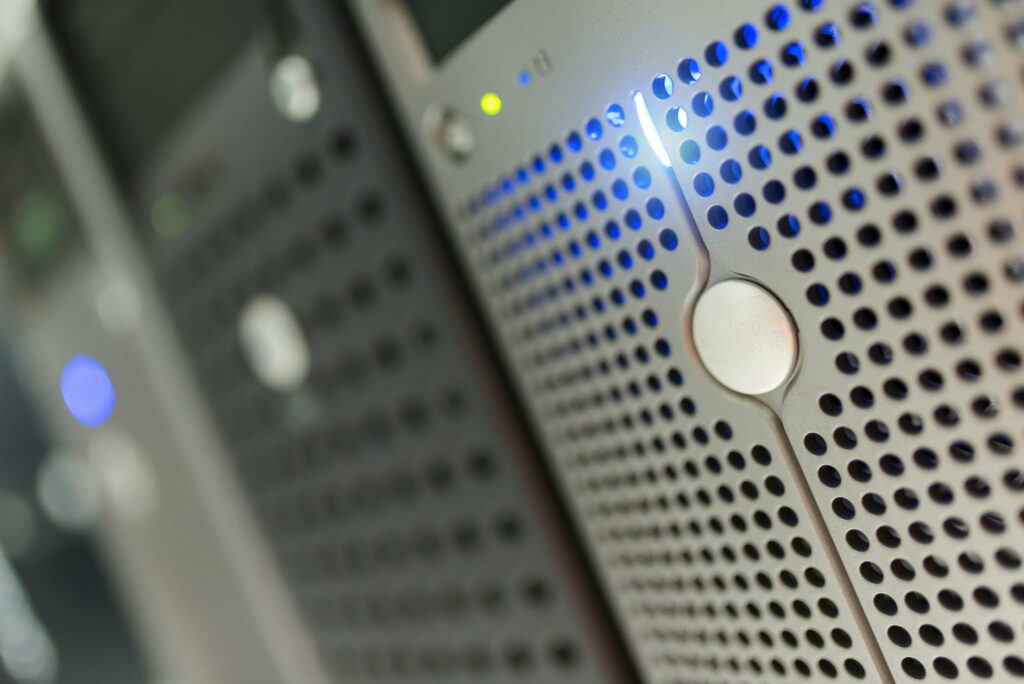
A firewall is a security system that monitors and controls incoming and outgoing network traffic based on predetermined rules. It acts as a barrier between trusted internal networks and untrusted external networks, such as the internet. For a more in-depth look, see this firewall definition and its importance in cybersecurity. Firewalls can be hardware-based, software-based, or a combination of both. Hardware firewalls stand as physical devices between your internal network and the external world, while software firewalls are installed on individual computers or servers. Many organizations use both types together for layered protection.
How Firewalls Work
Firewalls inspect data packets as they travel between your network and external sources. They use rules to allow or block traffic based on IP addresses, ports, protocols, and other factors. This filtering process helps prevent unauthorized access to sensitive information. According to the U.S. Cybersecurity and Infrastructure Security Agency, firewalls are essential for reducing the risk of cyberattacks by blocking malicious traffic.
Firewalls can be programmed to block access to certain websites, prevent applications from connecting to the internet, and alert administrators when suspicious activity is detected. This proactive defense is key for stopping threats before they can cause harm.
Types of Firewalls
There are several types of firewalls, each serving different security needs. Packet-filtering firewalls inspect data packets for basic information, such as source and destination addresses, and permit or deny them based on predefined rules. Stateful inspection firewalls track the state of active connections, making more informed decisions about whether to let traffic through. Proxy firewalls act as intermediaries between users and the internet, masking internal addresses and filtering requests.
Next-generation firewalls combine traditional filtering with advanced features, such as intrusion prevention, application control, and threat intelligence. The National Institute of Standards and Technology offers detailed guidance on firewall types and their uses. Each type has its strengths and is suited for different environments, from small businesses to large enterprises.
Key Functions of a Firewall
The primary function of a firewall is to block unauthorized access while allowing legitimate communication. Firewalls can also log traffic for analysis, alert administrators to suspicious activity, and enforce security policies. By monitoring both inbound and outbound traffic, firewalls help prevent malware, ransomware, and other threats from reaching internal systems. Network segmentation, another important function, limits the spread of attacks if a breach does occur. This means that even if one part of a network is compromised, the rest can remain secure. Firewalls also help organizations maintain control over which applications and services are allowed to operate, reducing the risk of data leaks and other security issues.
Benefits of Using a Firewall
Firewalls provide several important benefits. They protect sensitive data, maintain privacy, and ensure regulatory compliance. For businesses, firewalls help build trust with clients by demonstrating a commitment to security. Educational resources from Stanford University highlight the importance of firewalls in safeguarding academic and personal data. Firewalls also contribute to business continuity by preventing disruptions caused by cyberattacks.
By blocking unwanted traffic, they reduce the chances of systems being taken offline. Many compliance standards, such as those for healthcare and finance, require the use of firewalls as part of their security frameworks. This makes them essential not only for protection but also for meeting legal and industry requirements.
Firewall Management and Best Practices
Effective security relies on proper firewall management. This includes updating firewall software, regularly reviewing access rules, and monitoring logs for any unusual activity. Administrators should apply the principle of least privilege, only allowing necessary traffic. Regular testing and audits help identify and fix weaknesses before attackers exploit them. It’s important to document all firewall changes and have clear policies for who can modify rules.
Training staff on firewall basics and potential threats can also improve overall security. According to the Federal Trade Commission, keeping security software up to date and configuring firewalls correctly are key steps for protecting networks.
Challenges and Limitations
While firewalls are powerful tools, they are not a complete solution. Some advanced threats may bypass firewall protections, especially if rules are misconfigured. Firewalls cannot stop threats that originate from inside the network, such as insider attacks or infected devices. For example, if an employee unknowingly downloads malware, a firewall may not detect or block it if it appears as legitimate traffic.
Firewalls also require regular maintenance and monitoring to remain effective. Combining firewalls with other security measures, like antivirus software, intrusion detection systems, and employee training, creates a stronger defense. No single tool can provide total security, so a multi-layered approach is best.
Firewalls in Modern Cybersecurity
Today’s firewalls have evolved to address complex threats in cloud environments, remote work, and mobile access. Next-generation firewalls offer features like deep packet inspection, which examines the content of data packets, and integration with threat intelligence services for real-time protection. As cyber risks grow, firewalls remain a core part of any security strategy, working alongside other tools to protect networks and information.
Organizations are increasingly using firewalls to manage access to cloud applications and to secure connections for remote workers. The U.S. Department of Homeland Security recommends utilising advanced firewall solutions to protect against contemporary threats. Firewalls are also being integrated with artificial intelligence to better detect and block sophisticated attacks.
The Role of Firewalls in Personal Security
Firewalls are not just for businesses and large organizations. Home users also benefit from having firewalls in place. Personal firewalls can be installed on computers and routers to block unwanted access and protect devices from cybercriminals. With the increasing use of smart home devices and remote work, personal networks are more vulnerable than ever.
Firewalls help keep personal data safe, prevent unauthorized use of devices, and add an extra layer of protection against identity theft and scams. Parents can use firewalls to control what content children can access online and to prevent exposure to harmful websites.
Future Trends in Firewall Technology
Firewall technology continues to develop as new threats emerge. Artificial intelligence and machine learning are being utilised to enhance the intelligence and adaptability of firewalls. These technologies help firewalls recognize unusual patterns and respond to threats in real time.
Cloud-based firewalls are also gaining popularity, providing scalable and flexible protection for organizations with distributed networks. As the Internet of Things (IoT) expands, firewalls will play a crucial role in securing connected devices. Ongoing research and innovation will ensure that firewalls remain a key part of cybersecurity strategies for years to come.
Conclusion
Firewalls are essential for network security, acting as the first line of defense against a wide range of cyber threats. By understanding their functions and benefits, individuals and organizations can make informed decisions to protect their digital assets.
While not a standalone solution, firewalls play a critical role in a layered security approach. Regular management, updates, and integration with other security tools are necessary for maintaining strong defense. As technology evolves, the importance of firewalls in safeguarding data and systems will only continue to grow.
FAQ
What is the main purpose of a firewall?
The main purpose of a firewall is to block unauthorized access while allowing legitimate traffic to pass, protecting networks from cyber threats.
Are hardware or software firewalls better?
Both have advantages. Hardware firewalls protect entire networks, while software firewalls safeguard individual devices. Many use both for comprehensive security.
Can firewalls prevent all types of cyberattacks?
Firewalls are effective against many threats but cannot stop every attack, especially those from inside the network or highly sophisticated methods.
How often should firewall rules be reviewed?
Firewall rules should be reviewed regularly, at least quarterly or whenever there are changes to the network or security policies.
Do home networks need firewalls?
Yes, home networks benefit from firewalls to protect personal devices from unauthorized access and cyber threats.