

Northern Ireland’s Digitally Enabled Pandemic Response
HSCNI, Microsoft and Kainos on their world-beating response to the COVID-19 challenge.
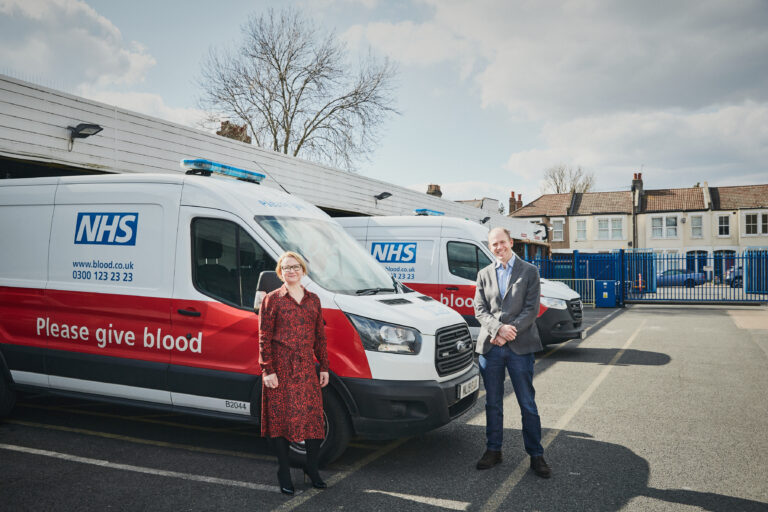
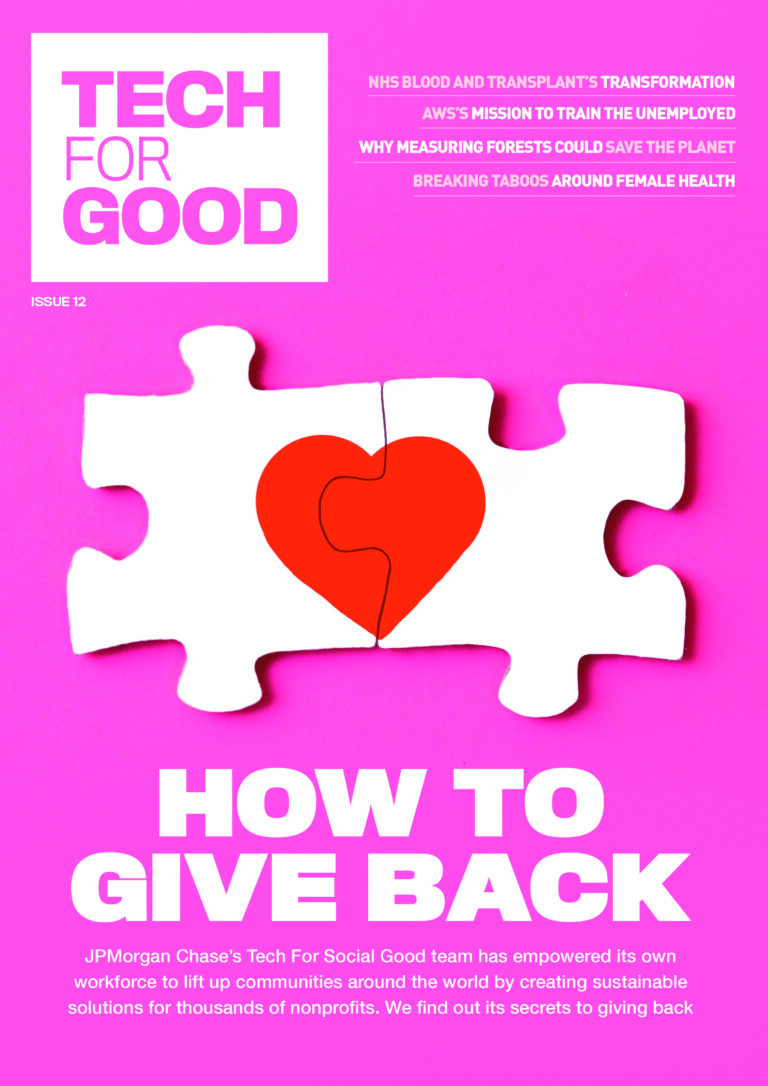
Technology Driving Blood Supply
NHS Blood and Transplant keeps people alive. Wendy Clark and David Rose discuss the role of technology.

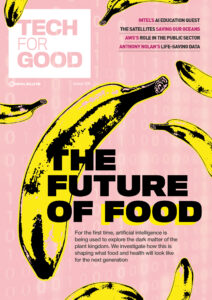
Rescue food, feed a community
We speak to non-profit organisations about how digital tools are being used across the UK to save food, and people

The carbon-negative data centre of the future
An ambitious blueprint has been unveiled for a carbon-negative data centre of the future

Rebuilding trust in the NHS: How AI can help restore confidence in care
Ric Thompson of OneAdvanced explores how responsible AI, clinician co-design, and transparent innovation can help rebuild public trust and relieve pressure across the NHS.

Academia and business must collaborate more
Blue Prism’s Alex Alcalde on the effective education of the future workforce

Series Two: Felix Ohswald
Felix Ohswald is co-founder and CEO of GoStudent. In this podcast, Felix discusses the rapid growth of Europe’s first edtech unicorn, and considers what the future of learning will look like.
Gemma McCall
Gemma McCall is CEO of Culture Shift, which has built a reporting platform to identify and prevent harassment and bullying. In this podcast, Gemma discusses the role of technology and data in overcoming this problem.