

Why sustainable AI starts with the network
Kurt Semba of Extreme Networks explains how intelligent networking can cut AI energy use across data centres, buildings and infrastructure without compromising performance or reliability.
Kurt Semba of Extreme Networks explains how intelligent networking can cut AI energy use across data centres, buildings and infrastructure without compromising performance or reliability.

Jeroen Bruinooge of Netradyne explains how AI-powered fleet intelligence helps fleets cut fuel waste, reduce emissions, improve safety and accelerate climate action.

Ruth Kerrigan of IES argues that decarbonising UK offices is essential for energy security, productivity and business resilience in a volatile climate.

Industrial 3D printing is transforming construction through sustainable materials, design flexibility and on-demand manufacturing, enabling faster, efficient building methods and reducing environmental impact.

AI growth is driving resource demand, but industry leaders reveal how innovation, efficiency and cultural change can help businesses scale sustainably without compromising environmental responsibility.

AI is ready to help achieve Net Zero in marine industries—but remains underused. To unlock its potential, we must prioritise data infrastructure, policy, and collaboration.

Generative AI and IoT are transforming water efficiency in farming, helping farmers save resources, cut costs, and grow better crops despite climate-driven drought conditions.

Jim Hietala of The Open Group explains how AI, paired with data standardisation, enables accurate emissions tracking—vital for organisations striving toward a net-zero future.

Saskia Manson of re:new argues sustainable construction’s tipping point hinges on tech, policy, and action. Reusing materials, not just recycling, offers vast carbon savings.

The data centre market is exploding at a rapid rate, mainly driven by the march of artificial intelligence (AI), which

Discover how businesses can mitigate AI’s environmental impact through energy-efficient models, sustainable data centres, circular economy strategies, and AI-driven sustainability solutions.

Mark Pestridge of Telehouse Europe highlights how tech leaders can leverage data centre ESG initiatives to drive sustainability, workforce development, and community impact while advancing corporate goals.
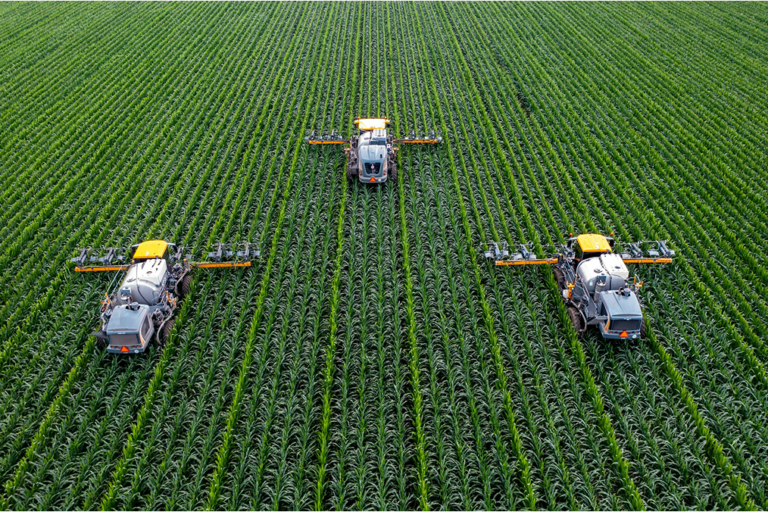
As the agricultural sector evolves, agritech innovations are pivotal in addressing challenges such as climate change, food security, and sustainable

With rising data center demands, balancing energy efficiency and performance is crucial. AI offers a transformative solution, revolutionising how we optimise resources.

Dulas is transforming healthcare in underserved communities by delivering solar-powered solutions, such as vaccine refrigerators, to ensure reliable immunisations and to build resilient local healthcare systems.

Phil Burrows, Head of Vulnerability at Cadent, discusses how the company’s CO Research and Analytics platform and collaborative efforts aim to reduce CO poisoning and save lives.

Nedjip Tozun, Co-Founder and CEO of d.light explores how off-grid solar energy is empowering women and transforming entire communities.

Combining geospatial tech with data from space can will be key to making sound investments in a sustainable future, argues Ordnance Survey’s Mark Tabor.

From DJ to jobbing builder to the boss of sustainable house builder Gusto Construction, Steff Wright says government must act to lift ‘woefully low standards’ in service of the planet.

SAP’s Stephen Jamieson and BT’s Sarwar Khan on partnering to develop a means to track emissions across BT’s entire global value chain.

Sarwar Kahn, Sustainability Director (Business) at telco giant BT, on the company’s moves to net-zero and how to embed sustainability into cloud operations.

Lenovo is driving sustainability through innovations like bamboo packaging, repairable laptops, and efficient liquid cooling, promoting circularity and reducing e-waste across IT product lifecycles.

SAP’s Stephen Jamieson makes the case for data exchange and collaboration between enterprises to drive shared sustainability goals.
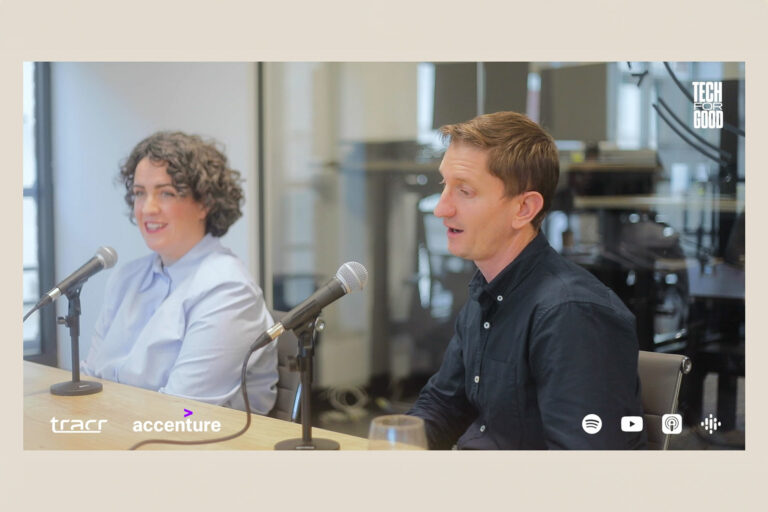
Inside De Beers’ internal tech startup, Tracr, that aims to use blockchain to tell the positve story of every natural diamond in the world.

The City of Philadelphia’s Office for Innovation using the power of public-private partnership to provide internet access to thousands.
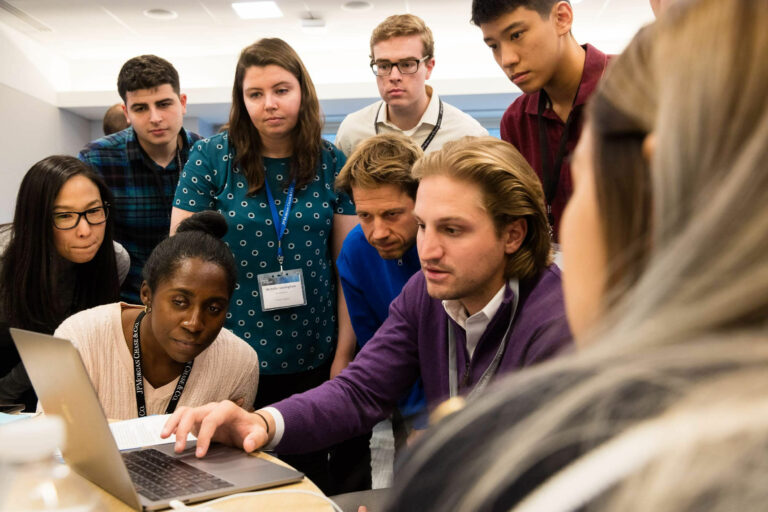
JPMorgan Chase & Co’s Tech For Social Good team is celebrating 10 years of doing good, impacting thousands of non-profits and empowering its own workforce.

Nineteen fast comments from senior female tech leaders on driving inclusivity, building community, and accelerating skills.

Cloudera Fast Forward Labs’ Ade Adewunmi talks about why data rights for children should be at the top of the agenda
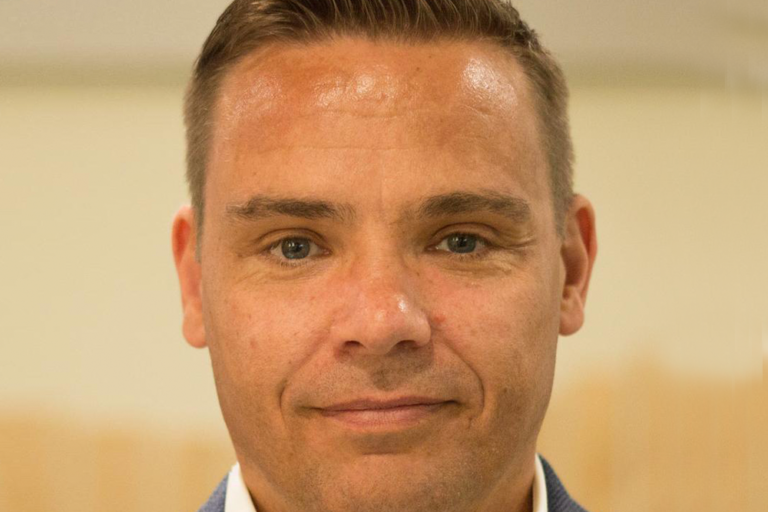
RingCentral’s Steve Rafferty on how collaboration technology can benefit the public sector

Flexible pay can help employees manage unexpected costs, reduce financial stress and build resilience, while supporting stronger retention, engagement and workforce performance.

Rudolf Gordon-Seymour is Head of International Fundraising for Télécoms Sans Frontières, an NGO which sets up emergency communications networks during humanitarian crises. In our interview, Rudolf talks in detail about TSF’s work, along with the challenges and the rewards.
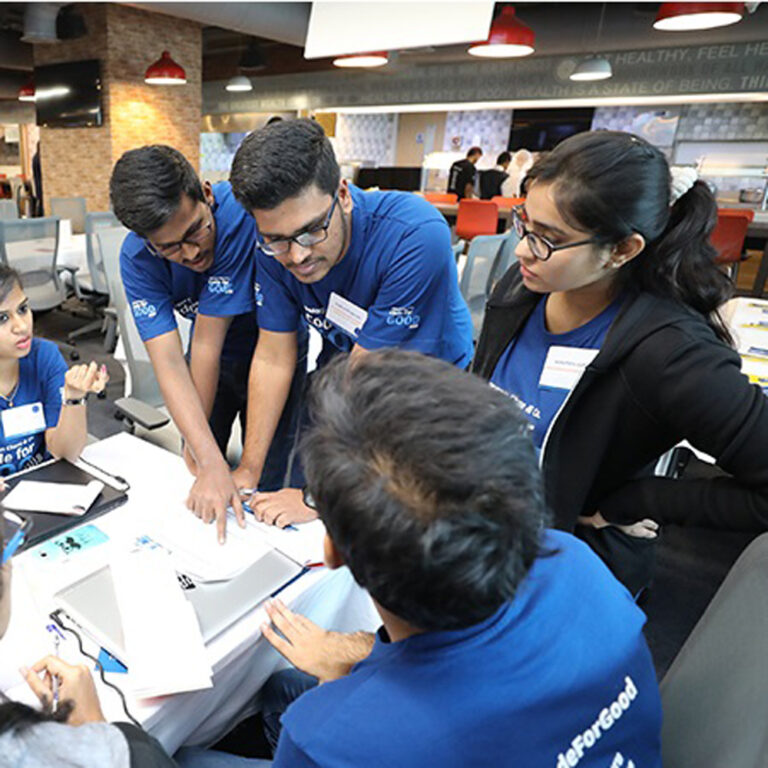
JPMorgan Chase & Co’s Tech For Social Good team is celebrating 10 years of doing good. We spoke to four of its leading voices to find out how it has positively impacted thousands of nonprofits, as well as empowering its own workforce.
Kurt Semba of Extreme Networks explains how intelligent networking can cut AI energy use across data centres, buildings and infrastructure without compromising performance or reliability.
Jeroen Bruinooge of Netradyne explains how AI-powered fleet intelligence helps fleets cut fuel waste, reduce emissions, improve safety and accelerate climate action.
Ruth Kerrigan of IES argues that decarbonising UK offices is essential for energy security, productivity and business resilience in a volatile climate.
Industrial 3D printing is transforming construction through sustainable materials, design flexibility and on-demand manufacturing, enabling faster, efficient building methods and reducing environmental impact.
AI growth is driving resource demand, but industry leaders reveal how innovation, efficiency and cultural change can help businesses scale sustainably without compromising environmental responsibility.
AI is ready to help achieve Net Zero in marine industries—but remains underused. To unlock its potential, we must prioritise data infrastructure, policy, and collaboration.
Generative AI and IoT are transforming water efficiency in farming, helping farmers save resources, cut costs, and grow better crops despite climate-driven drought conditions.
Jim Hietala of The Open Group explains how AI, paired with data standardisation, enables accurate emissions tracking—vital for organisations striving toward a net-zero future.
Saskia Manson of re:new argues sustainable construction’s tipping point hinges on tech, policy, and action. Reusing materials, not just recycling, offers vast carbon savings.
The data centre market is exploding at a rapid rate, mainly driven by the march of artificial intelligence (AI), which
Discover how businesses can mitigate AI’s environmental impact through energy-efficient models, sustainable data centres, circular economy strategies, and AI-driven sustainability solutions.
Mark Pestridge of Telehouse Europe highlights how tech leaders can leverage data centre ESG initiatives to drive sustainability, workforce development, and community impact while advancing corporate goals.
As the agricultural sector evolves, agritech innovations are pivotal in addressing challenges such as climate change, food security, and sustainable
With rising data center demands, balancing energy efficiency and performance is crucial. AI offers a transformative solution, revolutionising how we optimise resources.
Dulas is transforming healthcare in underserved communities by delivering solar-powered solutions, such as vaccine refrigerators, to ensure reliable immunisations and to build resilient local healthcare systems.
Phil Burrows, Head of Vulnerability at Cadent, discusses how the company’s CO Research and Analytics platform and collaborative efforts aim to reduce CO poisoning and save lives.
Nedjip Tozun, Co-Founder and CEO of d.light explores how off-grid solar energy is empowering women and transforming entire communities.
Combining geospatial tech with data from space can will be key to making sound investments in a sustainable future, argues Ordnance Survey’s Mark Tabor.
From DJ to jobbing builder to the boss of sustainable house builder Gusto Construction, Steff Wright says government must act to lift ‘woefully low standards’ in service of the planet.
SAP’s Stephen Jamieson and BT’s Sarwar Khan on partnering to develop a means to track emissions across BT’s entire global value chain.
Sarwar Kahn, Sustainability Director (Business) at telco giant BT, on the company’s moves to net-zero and how to embed sustainability into cloud operations.
Lenovo is driving sustainability through innovations like bamboo packaging, repairable laptops, and efficient liquid cooling, promoting circularity and reducing e-waste across IT product lifecycles.
SAP’s Stephen Jamieson makes the case for data exchange and collaboration between enterprises to drive shared sustainability goals.
Inside De Beers’ internal tech startup, Tracr, that aims to use blockchain to tell the positve story of every natural diamond in the world.