
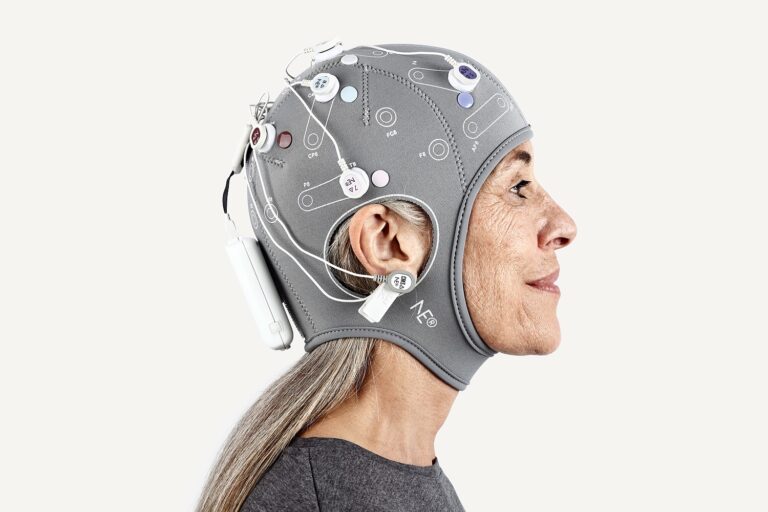
Beyond the brain
Neuroelectrics’ Ana Maiques explains how brain stimulation can help patients with epilepsy and depression
Neuroelectrics’ Ana Maiques explains how brain stimulation can help patients with epilepsy and depression

We speak to Schneider Electric’s MEA region about why an all-digital, all-electric world is required for a smarter and greener future.

Semtech CEO Mohan Maheswaran on LoRa’s role in building IoT for a truly sustainable digital future.

Sopra Steria’s new Digital Ethics & Tech for Good practice, led by Jen Rodvold, is taking previously fringe issues to the heart of transformations
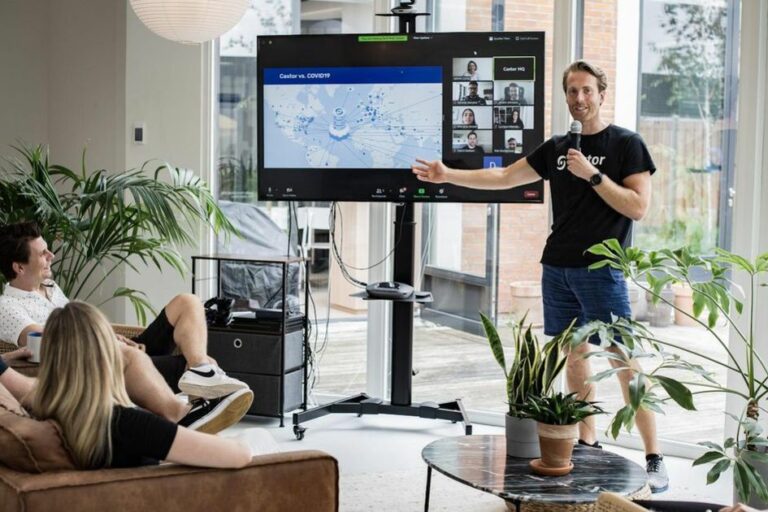
Inspirational Castor CEO Derk Arts discusses his vision for the future of the medical science industry

Daniel Avery, head of venture building at Rainmaking, on the healthtech innovations spurred via London’s Thames Freeport special economic
UiPath’s Chris Duddridge suggests how software robots can support disabled people into employment
Margareta Mucibabici is Public Affairs Manager for UiPath.
In this podcast, Margareta discusses RPA’s potential to positively impact the world through “automation for good” initiatives.

SAP’s Stephen Jamieson and BT’s Sarwar Khan on partnering to develop a means to track emissions across BT’s entire global value chain.
Neuroelectrics’ Ana Maiques explains how brain stimulation can help patients with epilepsy and depression