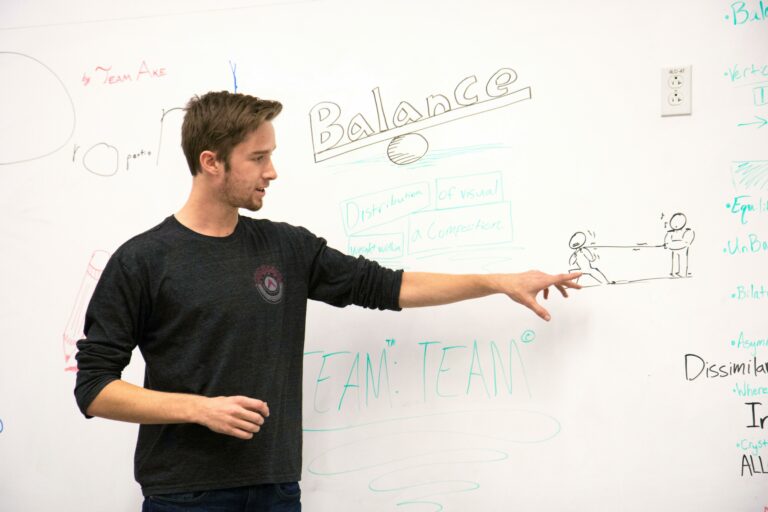

Rewiring the talent pipeline: How tech can unlock youth potential
Cassandra MacDonald of BPP explores how apprenticeships, human skills and inclusive hiring can help tech employers tackle youth unemployment and close skills gaps.

Cassandra MacDonald of BPP explores how apprenticeships, human skills and inclusive hiring can help tech employers tackle youth unemployment and close skills gaps.

Robert Lucido of Magnit Global explores how young people can build tech careers as AI reshapes entry-level roles, skills and hiring pathways.

As AI automates admin tasks, junior communications talent must prove critical thinking, ethical judgement and storytelling skills to thrive in an AI-first workplace.

Riccardo Ocleppo explores why peer-to-peer learning remains essential in the AI era, and how Docsity AI supports active, collaborative and responsible student learning.

The UK’s AI skills push must go beyond free courses. Faye Ellis of Pluralsight argues role-specific training is essential to unlock real business value.

AI is reshaping entry-level careers, but young professionals can stay ahead by building judgment, seeking mentorship, and developing human skills machines cannot replicate.

Tom Whittle of Telent explains how smarter, AI-driven networks are transforming higher education, delivering seamless connectivity, enhanced cybersecurity, and future-proof infrastructure that empowers students, staff, and researchers.

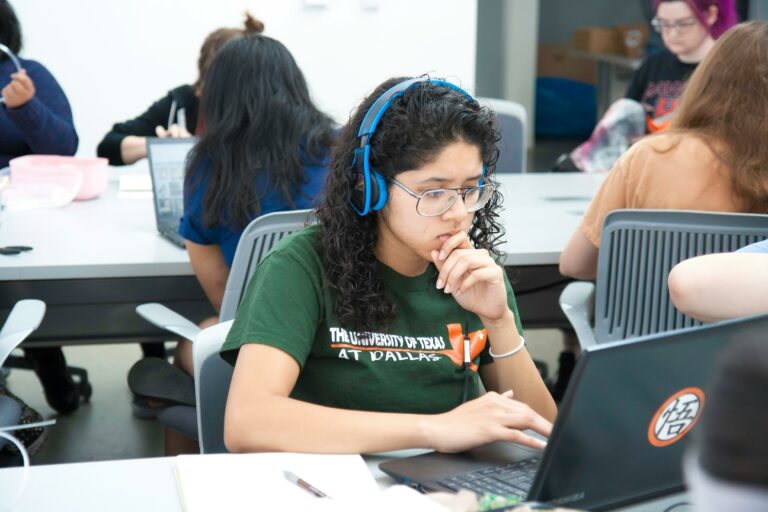
AI is transforming higher education. From equitable access to ethical problem-solving, discover how educators can empower students with the skills to thrive and lead in an AI-driven world.

Universities must prepare students for an AI-driven workforce by integrating AI safely, teaching ethical use, and equipping graduates with real-world, workplace-ready skills.

Creating an AI-native generation means embedding digital skills across all education stages—building ethical, practical AI literacy to prepare students for a tech-driven, evolving workforce.

Many careers evolve through chance more than choice. Are we equipping young people with informed options and future-ready skills in today’s fast-changing digital landscape?

Sascha Giese of SolarWinds explores how ethical, inclusive AI can transform UK education by supporting teachers, enhancing accessibility, and ensuring equal learning opportunities.

AI transforms education, offering personalised learning. Yet, misuse threatens integrity. Educators must foster AI literacy, design resilient assignments, and prioritise ethical usage.

Teachers face a unique challenge: mastering AI to teach it. Ethical considerations, data concerns, and personal apprehensions complicate integrating this powerful tool into education.

Bridging the gap between AI governance and educational needs is crucial. Collaborative innovation ensures AI enhances learning without compromising student well-being or legal compliance.

Ash Gawthorp, Chief Academy Officer at Ten10, explores how AI is transforming education—bridging learning gaps, fostering inclusivity, and aligning skills with industry needs for a future-ready workforce.

Dr. Amy Lomellini, Director of Accessibility at Anthology, explores how inclusive digital design empowers all learners, ensuring education is accessible, adaptable, and barrier-free for everyone.

Lauren Birch, Talent and Skills Lead at Turing Innovation Catalyst Manchester, explores AI’s role beyond tech. Discover how AI skills drive innovation across industries.

AI has the power to transform education, easing teachers’ workloads while enhancing learning. But trust, transparency, and public confidence are key to its success.

The digital divide in education extends beyond access—it’s about strategy, choice, and impact. Stuart Walker shares five key lessons from his journey in EdTech.

The rise of ChatGPT in education sparks debate: Is it a learning aid or a shortcut? Exploring its ethics, impact, and balance.

GoStudent founder Felix Ohswald on using artificial inteligence to upgrade student learning and the quality of teaching.

Felix Ohswald, CEO of GoStudent, explores AI’s transformative role in education, from early childhood learning to post-classroom tools, and its potential to enhance personalised, lifelong learning.

Social media’s economic model has deepened inequality. WeAre8 offers a new approach, where ads support charities, empower creators, and redistribute wealth, fostering a more equitable digital future.

NHS Blood and Transplant keeps people alive. Wendy Clark and David Rose discuss the role of technology.

The City of Philadelphia’s Office for Innovation using the power of public-private partnership to provide internet access to thousands.

Capgemini and the European Space Agency discuss the project they have developed to measure forest biomass from space.

George Tilesch and Omar Hatamleh, co-authors of BetweenBrains, explore major themes around artificial intelligence, humanity and the future

How Next-Generation Competency-Based Learning is Transforming Education

AI’s rapid growth brings rising energy, water and material costs. Organisations must embed sustainability into AI strategies now to balance innovation with environmental responsibility.
Tech for Good sits down with leaders from Amref, GSK and Cognizant to discuss a remarkable collaboration set to create a lasting digital advantage for Amref as it seeks to transform healthcare on the continent.

Arianna Ortelli, CEO and co-founder of Novis Games, on her team’s partnership with Microsoft and using AI to bring video games to the visually impaired.

Cassandra MacDonald of BPP explores how apprenticeships, human skills and inclusive hiring can help tech employers tackle youth unemployment and close skills gaps.

Robert Lucido of Magnit Global explores how young people can build tech careers as AI reshapes entry-level roles, skills and hiring pathways.

As AI automates admin tasks, junior communications talent must prove critical thinking, ethical judgement and storytelling skills to thrive in an AI-first workplace.

Riccardo Ocleppo explores why peer-to-peer learning remains essential in the AI era, and how Docsity AI supports active, collaborative and responsible student learning.

The UK’s AI skills push must go beyond free courses. Faye Ellis of Pluralsight argues role-specific training is essential to unlock real business value.

AI is reshaping entry-level careers, but young professionals can stay ahead by building judgment, seeking mentorship, and developing human skills machines cannot replicate.

Tom Whittle of Telent explains how smarter, AI-driven networks are transforming higher education, delivering seamless connectivity, enhanced cybersecurity, and future-proof infrastructure that empowers students, staff, and researchers.
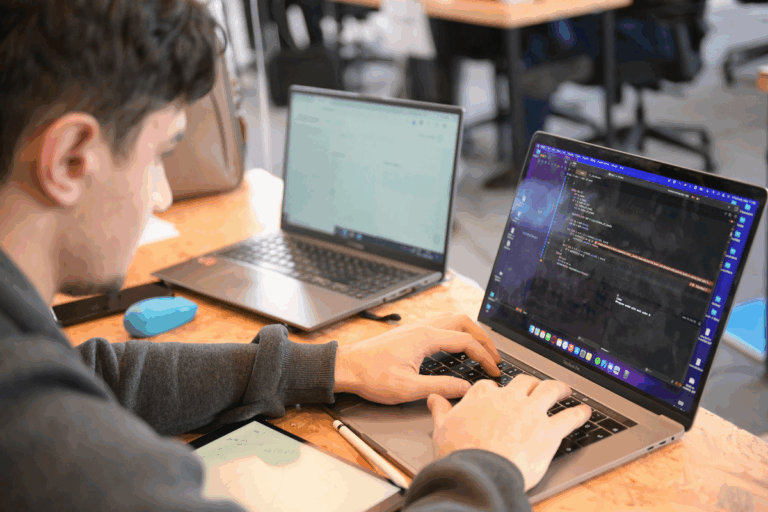
AI is transforming higher education. From equitable access to ethical problem-solving, discover how educators can empower students with the skills to thrive and lead in an AI-driven world.

Universities must prepare students for an AI-driven workforce by integrating AI safely, teaching ethical use, and equipping graduates with real-world, workplace-ready skills.

Creating an AI-native generation means embedding digital skills across all education stages—building ethical, practical AI literacy to prepare students for a tech-driven, evolving workforce.

Many careers evolve through chance more than choice. Are we equipping young people with informed options and future-ready skills in today’s fast-changing digital landscape?

Sascha Giese of SolarWinds explores how ethical, inclusive AI can transform UK education by supporting teachers, enhancing accessibility, and ensuring equal learning opportunities.

AI transforms education, offering personalised learning. Yet, misuse threatens integrity. Educators must foster AI literacy, design resilient assignments, and prioritise ethical usage.

Teachers face a unique challenge: mastering AI to teach it. Ethical considerations, data concerns, and personal apprehensions complicate integrating this powerful tool into education.

Bridging the gap between AI governance and educational needs is crucial. Collaborative innovation ensures AI enhances learning without compromising student well-being or legal compliance.

Ash Gawthorp, Chief Academy Officer at Ten10, explores how AI is transforming education—bridging learning gaps, fostering inclusivity, and aligning skills with industry needs for a future-ready workforce.

Dr. Amy Lomellini, Director of Accessibility at Anthology, explores how inclusive digital design empowers all learners, ensuring education is accessible, adaptable, and barrier-free for everyone.

Lauren Birch, Talent and Skills Lead at Turing Innovation Catalyst Manchester, explores AI’s role beyond tech. Discover how AI skills drive innovation across industries.

AI has the power to transform education, easing teachers’ workloads while enhancing learning. But trust, transparency, and public confidence are key to its success.

The digital divide in education extends beyond access—it’s about strategy, choice, and impact. Stuart Walker shares five key lessons from his journey in EdTech.

The rise of ChatGPT in education sparks debate: Is it a learning aid or a shortcut? Exploring its ethics, impact, and balance.

GoStudent founder Felix Ohswald on using artificial inteligence to upgrade student learning and the quality of teaching.

Felix Ohswald, CEO of GoStudent, explores AI’s transformative role in education, from early childhood learning to post-classroom tools, and its potential to enhance personalised, lifelong learning.

Social media’s economic model has deepened inequality. WeAre8 offers a new approach, where ads support charities, empower creators, and redistribute wealth, fostering a more equitable digital future.