

How AI-powered fleet intelligence can accelerate climate action
Jeroen Bruinooge of Netradyne explains how AI-powered fleet intelligence helps fleets cut fuel waste, reduce emissions, improve safety and accelerate climate action.
Jeroen Bruinooge of Netradyne explains how AI-powered fleet intelligence helps fleets cut fuel waste, reduce emissions, improve safety and accelerate climate action.

Michel Muizer of Expereo explores why space-based data centres are emerging, but argues enterprises must prioritise resilient, sustainable infrastructure on Earth first.

Liana Downey of SLR explains why businesses must treat climate intelligence as a core resilience tool, embedded across operations, finance and supply chains.

Ruth Kerrigan of IES argues that decarbonising UK offices is essential for energy security, productivity and business resilience in a volatile climate.

Orbital data centres promise lower cooling costs and faster space analytics, but open governance is vital to prevent compute power concentrating in orbit unfairly globally.

Dr. Atanu Chaudhuri explores whether space-based data centres could solve Earth’s growing digital infrastructure crisis while balancing sustainability, latency, cost and technological feasibility.

Industrial 3D printing is transforming construction through sustainable materials, design flexibility and on-demand manufacturing, enabling faster, efficient building methods and reducing environmental impact.

AI growth is driving resource demand, but industry leaders reveal how innovation, efficiency and cultural change can help businesses scale sustainably without compromising environmental responsibility.

The UK’s AI-driven data centre expansion brings mounting sustainability pressures, forcing operators to balance soaring compute demand with energy efficiency, regulatory compliance and environmental performance.

How Danish engineering giant Danfoss is using advanced IoT and AI to deliver dramatic energy efficiency gains to buildings around the world.

Frank Maguire of Equativ explores how sustainable ad tech is reducing carbon emissions, increasing transparency, and reshaping digital media while driving efficiency, accountability, and trust across the advertising supply chain.

Creative storytelling transforms scientific breakthroughs into cultural movements — from mammoth meatballs to AI art — making innovation relatable, emotional, and impactful for the public

AI is ready to help achieve Net Zero in marine industries—but remains underused. To unlock its potential, we must prioritise data infrastructure, policy, and collaboration.
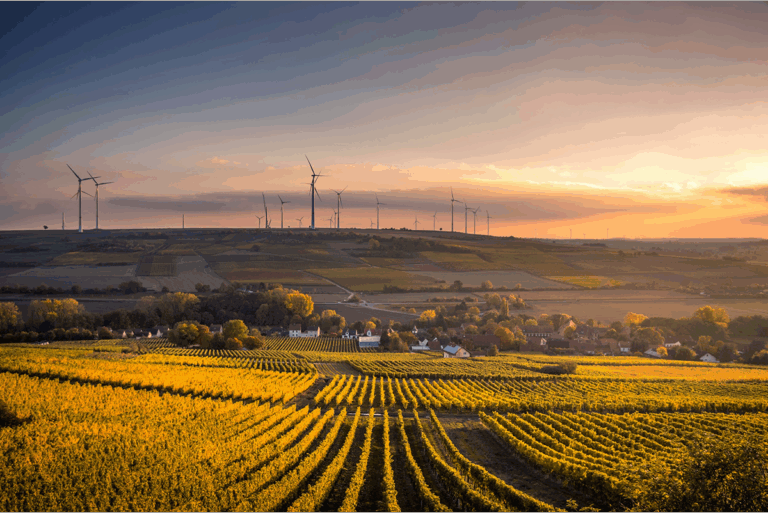
UK businesses face rising pressure to reach net zero by 2050. Overcoming renewable energy and reporting challenges requires urgent, data-driven, and flexible sustainability strategies.

As global headlines focus on the environmental cost of artificial intelligence – from the staggering energy required to train large

Generative AI and IoT are transforming water efficiency in farming, helping farmers save resources, cut costs, and grow better crops despite climate-driven drought conditions.

Jim Hietala of The Open Group explains how AI, paired with data standardisation, enables accurate emissions tracking—vital for organisations striving toward a net-zero future.

Saskia Manson of re:new argues sustainable construction’s tipping point hinges on tech, policy, and action. Reusing materials, not just recycling, offers vast carbon savings.

The data centre market is exploding at a rapid rate, mainly driven by the march of artificial intelligence (AI), which

The single biggest threat humanity is currently facing is climate change. It’s causing a rise in global temperature, sea level,

Discover how businesses can mitigate AI’s environmental impact through energy-efficient models, sustainable data centres, circular economy strategies, and AI-driven sustainability solutions.

EcoOnline’s David Picton on how businesses can successfully negotiate the trade-offs between the promises of AI and their progress towards net zero.

Battery energy storage systems (BESS) are essential to the UK’s renewable energy future, addressing reliability, grid stability, and economic feasibility while reducing reliance on fossil fuels.

Mark Pestridge of Telehouse Europe highlights how tech leaders can leverage data centre ESG initiatives to drive sustainability, workforce development, and community impact while advancing corporate goals.

Inside De Beers’ mission to create a digital twin of all the world’s diamonds on the blockchain.
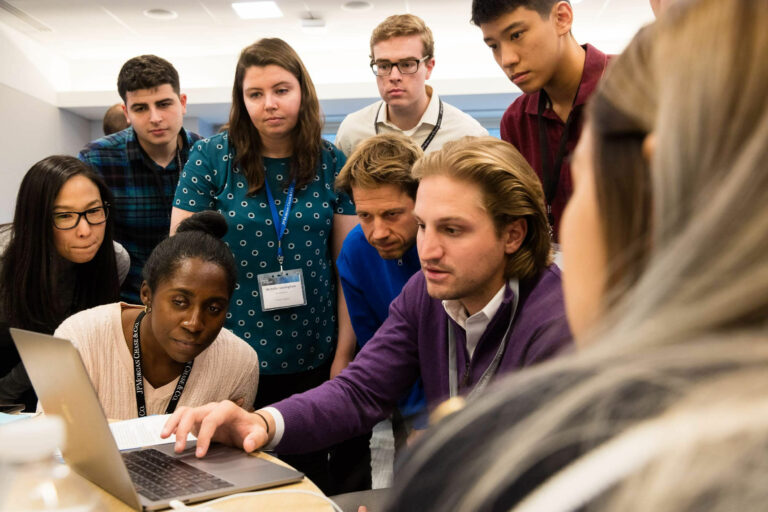
JPMorgan Chase & Co’s Tech For Social Good team is celebrating 10 years of doing good, impacting thousands of non-profits and empowering its own workforce.

AWS is rolling out a new cloud skills training programme for people from underemployed areas

Dr Sina Habibi, CEO of Cognetivity on a potentially groundbreaking screening solution which could revolutionise detecting early signs of Alzheimer’s and dementia

Felix Ohswald, CEO of GoStudent, explores AI’s transformative role in education, from early childhood learning to post-classroom tools, and its potential to enhance personalised, lifelong learning.

The digital divide in education extends beyond access—it’s about strategy, choice, and impact. Stuart Walker shares five key lessons from his journey in EdTech.

Peter Vanovertveld is Chief Commercial & Operations Officer for Smart Reporting.
In this podcast, Peter explains why structured data can help drive new standards in patient care.

Semtech’s Alistair Fulton is a thought leader on the Internet of Things.
In this podcast, Alistair reveals how low-power, wide-area connectivity can help combat climate change.
Jeroen Bruinooge of Netradyne explains how AI-powered fleet intelligence helps fleets cut fuel waste, reduce emissions, improve safety and accelerate climate action.
Michel Muizer of Expereo explores why space-based data centres are emerging, but argues enterprises must prioritise resilient, sustainable infrastructure on Earth first.
Liana Downey of SLR explains why businesses must treat climate intelligence as a core resilience tool, embedded across operations, finance and supply chains.
Ruth Kerrigan of IES argues that decarbonising UK offices is essential for energy security, productivity and business resilience in a volatile climate.
Orbital data centres promise lower cooling costs and faster space analytics, but open governance is vital to prevent compute power concentrating in orbit unfairly globally.
Dr. Atanu Chaudhuri explores whether space-based data centres could solve Earth’s growing digital infrastructure crisis while balancing sustainability, latency, cost and technological feasibility.
Industrial 3D printing is transforming construction through sustainable materials, design flexibility and on-demand manufacturing, enabling faster, efficient building methods and reducing environmental impact.
AI growth is driving resource demand, but industry leaders reveal how innovation, efficiency and cultural change can help businesses scale sustainably without compromising environmental responsibility.
The UK’s AI-driven data centre expansion brings mounting sustainability pressures, forcing operators to balance soaring compute demand with energy efficiency, regulatory compliance and environmental performance.
How Danish engineering giant Danfoss is using advanced IoT and AI to deliver dramatic energy efficiency gains to buildings around the world.
Frank Maguire of Equativ explores how sustainable ad tech is reducing carbon emissions, increasing transparency, and reshaping digital media while driving efficiency, accountability, and trust across the advertising supply chain.
Creative storytelling transforms scientific breakthroughs into cultural movements — from mammoth meatballs to AI art — making innovation relatable, emotional, and impactful for the public
AI is ready to help achieve Net Zero in marine industries—but remains underused. To unlock its potential, we must prioritise data infrastructure, policy, and collaboration.
UK businesses face rising pressure to reach net zero by 2050. Overcoming renewable energy and reporting challenges requires urgent, data-driven, and flexible sustainability strategies.
As global headlines focus on the environmental cost of artificial intelligence – from the staggering energy required to train large
Generative AI and IoT are transforming water efficiency in farming, helping farmers save resources, cut costs, and grow better crops despite climate-driven drought conditions.
Jim Hietala of The Open Group explains how AI, paired with data standardisation, enables accurate emissions tracking—vital for organisations striving toward a net-zero future.
Saskia Manson of re:new argues sustainable construction’s tipping point hinges on tech, policy, and action. Reusing materials, not just recycling, offers vast carbon savings.
The data centre market is exploding at a rapid rate, mainly driven by the march of artificial intelligence (AI), which
The single biggest threat humanity is currently facing is climate change. It’s causing a rise in global temperature, sea level,
Discover how businesses can mitigate AI’s environmental impact through energy-efficient models, sustainable data centres, circular economy strategies, and AI-driven sustainability solutions.
EcoOnline’s David Picton on how businesses can successfully negotiate the trade-offs between the promises of AI and their progress towards net zero.
Battery energy storage systems (BESS) are essential to the UK’s renewable energy future, addressing reliability, grid stability, and economic feasibility while reducing reliance on fossil fuels.
Mark Pestridge of Telehouse Europe highlights how tech leaders can leverage data centre ESG initiatives to drive sustainability, workforce development, and community impact while advancing corporate goals.