

Healthcare AI has a traceability problem – and it’s a risk
AI adoption in UK healthcare is accelerating, but limited traceability risks patient safety, accountability, and trust, highlighting the urgent need for transparent, auditable AI systems.
AI adoption in UK healthcare is accelerating, but limited traceability risks patient safety, accountability, and trust, highlighting the urgent need for transparent, auditable AI systems.

How workflow intelligence, powered by large language models, is ushering in a new era of efficiency and collaboration in diagnostic medicine.

Creative storytelling transforms scientific breakthroughs into cultural movements — from mammoth meatballs to AI art — making innovation relatable, emotional, and impactful for the public

Researchers at the University of Plymouth have shown that developing tech with – not for – the digitally excluded can produce remarkable results.

Inside ICONIC, the research project that codesigned four novel new technologies hand-in-hand with the digitally excluded.

Dr Elinor Carmi, co-director of a new MSc in Data, Policy & Social Justice at City St George’s, University of London, on educating critical thinkers as policymakers of the future.

AI is revolutionising the non-profit sector by improving efficiency, outreach, and accessibility, helping charities maximise resources and create greater impact for the communities they serve.

Managing a team effectively in a competitive corporate environment is challenging. Planner tools streamline processes, enhance collaboration, and boost productivity, making them essential for modern businesses.

Andrea Danes, global human services leader at EY, discusses how we might unleash the public sector’s “innovative instigators” with technology.

In a world plagued by phone scams, Phonely’s groundbreaking technology combines AI monitoring with human intervention, empowering seniors to communicate safely.

Meet the payment preferences of millennials and Gen Z with versatile solutions: payment plugins, digital wallets, cryptocurrencies, in-app payments, and virtual prepaid cards.

Wearable technology seamlessly integrates data to improve health, but concerns about data privacy and over-reliance necessitate careful consideration.

Blockchain isn’t just for cryptocurrencies. Chloe Tartan thinks it could underpin a more equitable welfare system in a digitally divided world.

The findings of a project run by social mobility charity the EY Foundation has identified the action needed to ensure new technology is inclusive of young people from low-income backgrounds.

The location app is riding a wave of publicity as the ubiquitous nature of the solution becomes helpful to multiple sections of society.
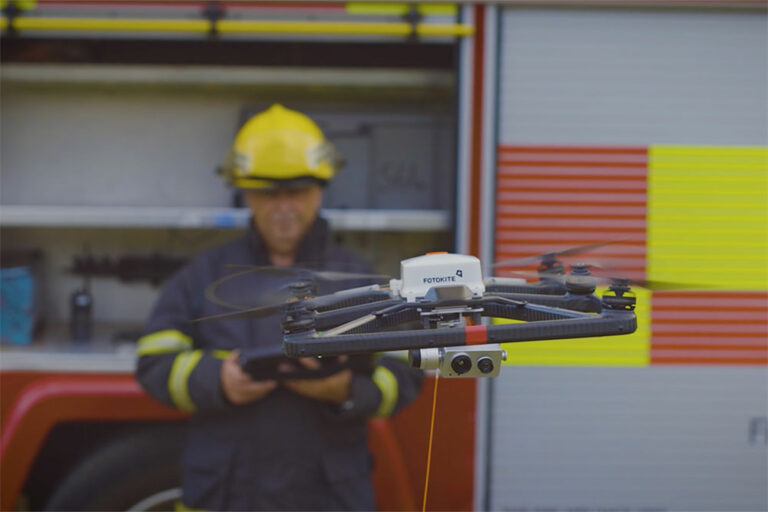
Virgin Media O2’s David Owens on how drones are propelling innovation in healthcare and emergency services.

Jan Kleijssen discusses how the Council of Europe is protecting human rights in the digital age.

Avaya’s Stephen Cunningham on accelerating digital innovation in the public sector

Wireless Logic’s Mark Appleby on supporting remote patient monitoring

HeartFlow’s Charles Taylor on levelling access to healthcare

Estonia’s Ott Velsberg on Bürokratt and the death of citizen bureaucracy

Degreed’s Janice Burns on the importance of continuous workplace learning
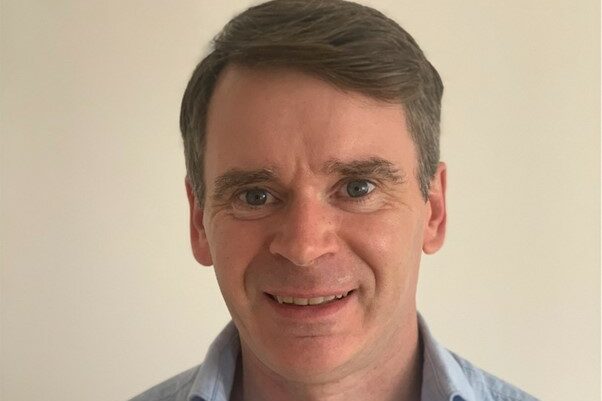
Citrix’s Gerard Lavin on how to make more sustainable technology choices

WhereIsMyTransport’s Chantal Lailvaux on the road to women’s safety

Semtech CEO Mohan Maheswaran on LoRa’s role in building IoT for a truly sustainable digital future.

The City of Philadelphia’s Office for Innovation using the power of public-private partnership to provide internet access to thousands.
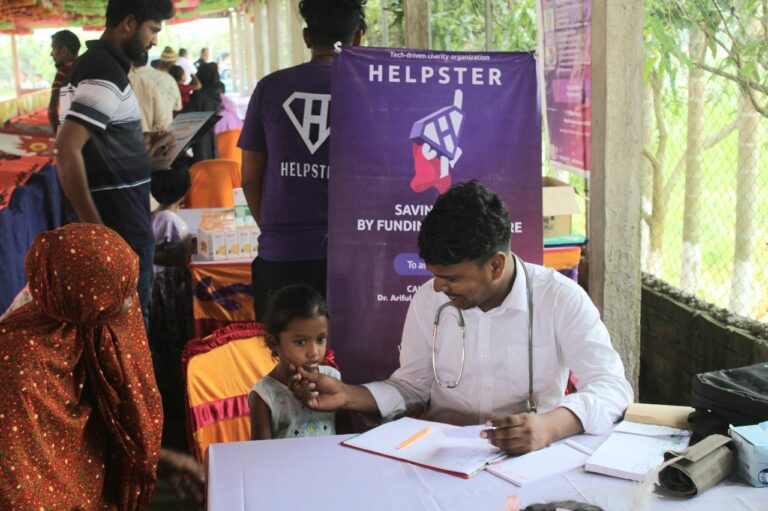
Helpster Charity proves health insurance can work without premiums, offering fast, transparent, tech-driven cover that saves lives and protects families from poverty in Africa and Asia.

Lenovo’s Ian Jeffs on how Big Data holds the key for large businesses looking to use their influence as a force for good.

As government digital services expand, external attack surface management is becoming essential to public sector cyber resilience, helping teams identify and reduce online risks before attackers exploit them.

Organiations are prioritizing sustainability, using data-driven, cloud-based platforms to track and manage greenhouse gas emissions and improve overall environmental performance.
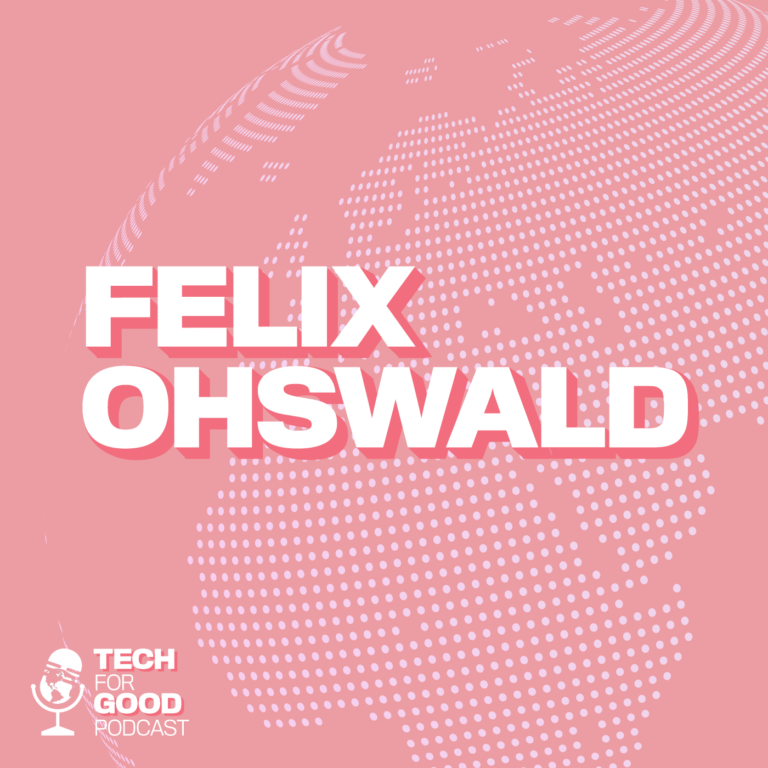
Felix Ohswald is co-founder and CEO of GoStudent. In this podcast, Felix discusses the rapid growth of Europe’s first edtech unicorn, and considers what the future of learning will look like.

Jacqueline Prawira is a high school senior with a passion for science and sustainable development. In this podcast, Jacqueline talks about developing Cyclo.Plas 2, a renewable alternative to plastic made from upcycled fish scale waste components.
AI adoption in UK healthcare is accelerating, but limited traceability risks patient safety, accountability, and trust, highlighting the urgent need for transparent, auditable AI systems.
How workflow intelligence, powered by large language models, is ushering in a new era of efficiency and collaboration in diagnostic medicine.
Creative storytelling transforms scientific breakthroughs into cultural movements — from mammoth meatballs to AI art — making innovation relatable, emotional, and impactful for the public
Researchers at the University of Plymouth have shown that developing tech with – not for – the digitally excluded can produce remarkable results.
Inside ICONIC, the research project that codesigned four novel new technologies hand-in-hand with the digitally excluded.
Dr Elinor Carmi, co-director of a new MSc in Data, Policy & Social Justice at City St George’s, University of London, on educating critical thinkers as policymakers of the future.
AI is revolutionising the non-profit sector by improving efficiency, outreach, and accessibility, helping charities maximise resources and create greater impact for the communities they serve.
Managing a team effectively in a competitive corporate environment is challenging. Planner tools streamline processes, enhance collaboration, and boost productivity, making them essential for modern businesses.
Andrea Danes, global human services leader at EY, discusses how we might unleash the public sector’s “innovative instigators” with technology.
In a world plagued by phone scams, Phonely’s groundbreaking technology combines AI monitoring with human intervention, empowering seniors to communicate safely.
Meet the payment preferences of millennials and Gen Z with versatile solutions: payment plugins, digital wallets, cryptocurrencies, in-app payments, and virtual prepaid cards.
Wearable technology seamlessly integrates data to improve health, but concerns about data privacy and over-reliance necessitate careful consideration.
Blockchain isn’t just for cryptocurrencies. Chloe Tartan thinks it could underpin a more equitable welfare system in a digitally divided world.
The findings of a project run by social mobility charity the EY Foundation has identified the action needed to ensure new technology is inclusive of young people from low-income backgrounds.
The location app is riding a wave of publicity as the ubiquitous nature of the solution becomes helpful to multiple sections of society.
Virgin Media O2’s David Owens on how drones are propelling innovation in healthcare and emergency services.
Jan Kleijssen discusses how the Council of Europe is protecting human rights in the digital age.
Avaya’s Stephen Cunningham on accelerating digital innovation in the public sector
Wireless Logic’s Mark Appleby on supporting remote patient monitoring
HeartFlow’s Charles Taylor on levelling access to healthcare
Estonia’s Ott Velsberg on Bürokratt and the death of citizen bureaucracy
Degreed’s Janice Burns on the importance of continuous workplace learning
Citrix’s Gerard Lavin on how to make more sustainable technology choices
WhereIsMyTransport’s Chantal Lailvaux on the road to women’s safety