For the past few years, almost every conversation about AI has revolved around the same promises about growth, productivity, and efficiency.
We’ve seen how AI writes reports faster, automates workflows, and helps businesses transform. All of that matters, but it’s starting to feel like a very small ambition.
Humanity is facing challenges that cannot be solved by spreadsheets and quarterly results. Cities are overheating, biodiversity is declining, natural habitats are under pressure. Extreme weather is putting growing strain on infrastructure, communities, and public services. Against that backdrop its time for us to consider the bigger picture questions about AI that go beyond working faster and start tackling how we help the world work better.
For years, the technology industry has spoken about smart cities. The vision has usually involved more sensors, more cameras, more connectivity and more data. But vital as all this is, nobody ever fell in love with a city because it had great analytics. People are drawn to places that feel healthy, resilient and alive. They value parks, green spaces, clean air and access to nature. They want communities where both people and the environment can thrive. This is where AI has the opportunity to make a genuine difference.
Across the world, researchers and environmental organisations are already using AI to monitor ecosystems, identify threats to wildlife, predict flooding risks and improve the management of natural resources. Capabilities that once required years of analysis can now happen in days or weeks.
"Some of the most exciting work will be found in the spaces where human ingenuity meets the natural world."
In short, technology is giving us new ways to understand the living systems that surround us. AI offers a powerful new lens through which we can observe the complex webs of connections that occur in the natural world and spot patterns humans might otherwise miss.
That matters because the environmental challenges we face are increasingly problems of scale, e.g.
- How do you monitor biodiversity across thousands of acres?
- How do you identify ecosystem decline before it becomes irreversible?
- How do you build cities that can adapt to a changing climate while continuing to support growing populations?
These questions demand better intelligence. Collective intelligence that combines human expertise, scientific knowledge, and technology.
And, of course, there is another reason this conversation is becoming increasingly urgent. The public debate around AI often focuses on its costs which include energy, water, and footprint demands. If AI is to gain the trust it needs from humanity, it needs to start doing more for our natural world. Its value cannot be measured solely in productivity gains. It should also be measured in healthier habitats and more resilient communities.
The next chapter of AI’s story is a crucial one and its authors go beyond the tech companies we are used to hearing heralding its capabilities. It will also be written by city planners, scientists, developers, policymakers and communities working together to decide where this technology can make the greatest impact.
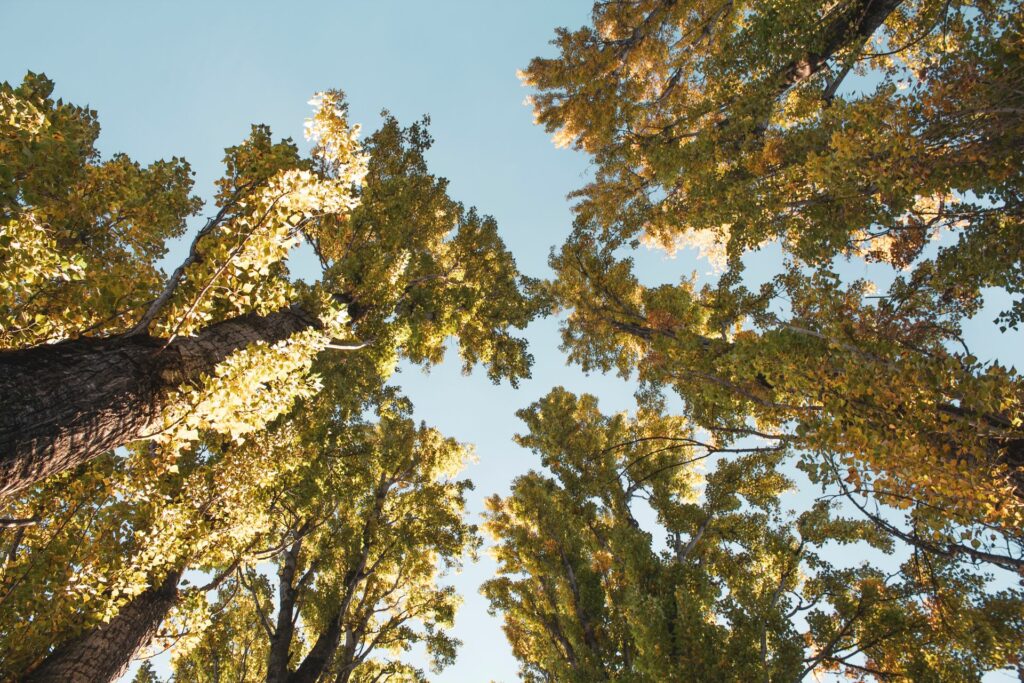
That is why projects that bring together technology, people and nature matter. This September, Avanade’s Intelligent Garden which won Gold at the Chelsea Flower Show, will formally open at Mayfield Park in Manchester. It uses AI to track the health of urban trees – a vital pillar of our natural community that filter air pollution, cool the air, support wildlife, and boost community wellbeing. It’s just one of the ways we can use technology to help people engage more closely with the living systems that support all of us.
It’s a key project for Avanade and while day-to-day we pioneer digital transformation for businesses, we are clear that some of the most exciting work will be found in the spaces where human ingenuity meets the natural world.