

The Pros and Cons of Wearable Technology
Wearable technology seamlessly integrates data to improve health, but concerns about data privacy and over-reliance necessitate careful consideration.
Wearable technology seamlessly integrates data to improve health, but concerns about data privacy and over-reliance necessitate careful consideration.

The NHS’ Federated Data Platform faces scrutiny over privacy and requires robust data security
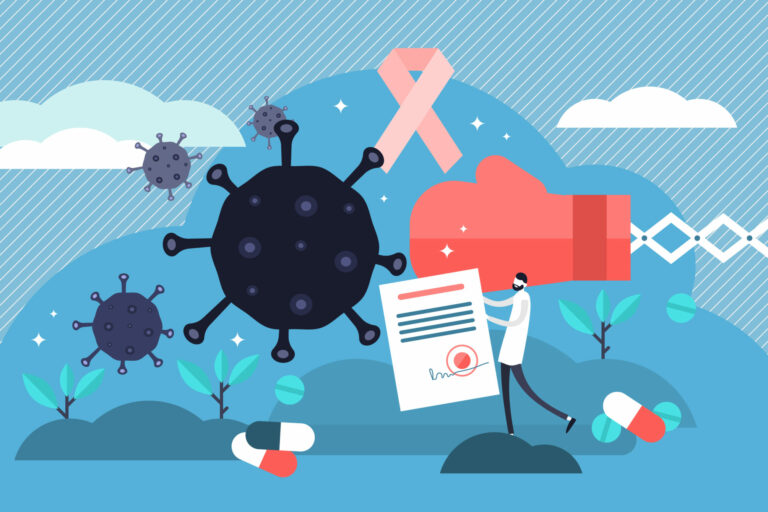
Developed in collaboration with AWS, Cancer Research UK’s new cloud-based platform is having a game-changing effect on matching patients to the most effective potential treatments.
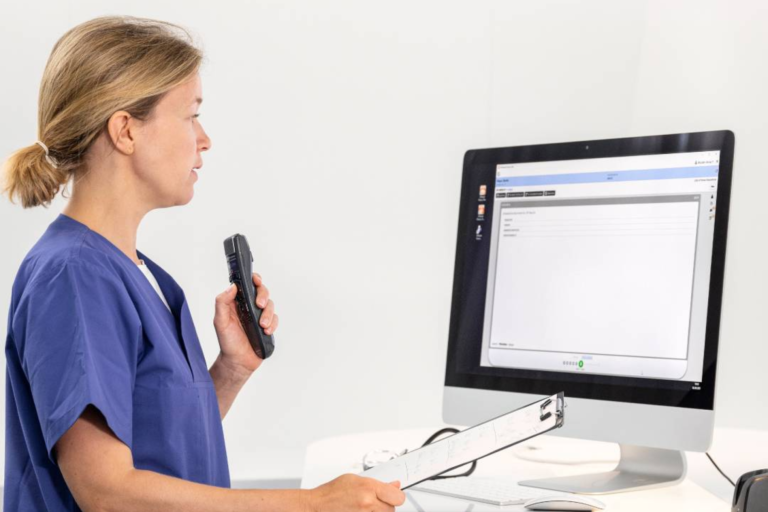
AI and natural-language processing present a huge opportunity for stretched healthcare systems to transform their clinical day-to-day.

The COVID-19 pandemic further exposed the challenges to healthcare iCOVID-19 exposed healthcare challenges in sub-Saharan Africa; Amref’s digital capabilities surged with GSK and Cognizant support.

James Freed, Health Education England CDIO, on the importance of building and leading a digital workforce to create a better tomorrow.

HSCNI, Microsoft and Kainos on their world-beating response to the COVID-19 challenge.
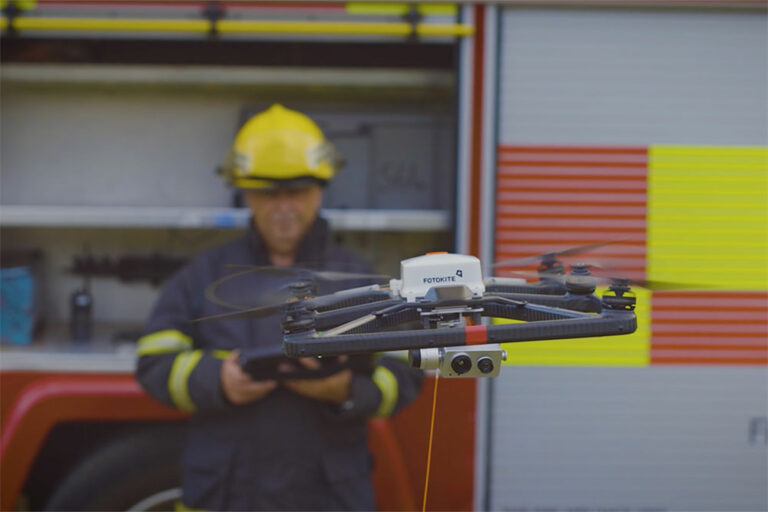
Virgin Media O2’s David Owens on how drones are propelling innovation in healthcare and emergency services.

Align Technology’s Claudia Gallo on how technology is driving dental health

Wireless Logic’s Mark Appleby on supporting remote patient monitoring

HeartFlow’s Charles Taylor on levelling access to healthcare

AWS’s Taha Kass-Hout on why COVID-19 proved to be a turning point for machine learning
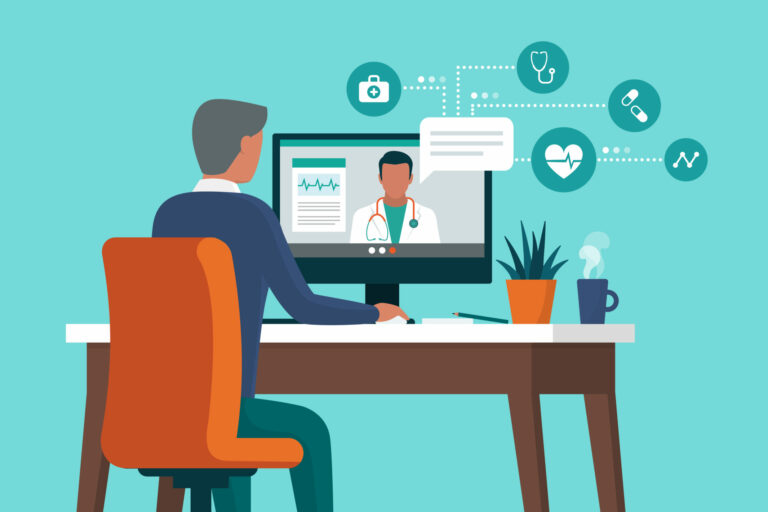
Capgemini’s Scott Manghillis on why providers need to accelerate the delivery of frictionless, digital services.

We speak to Dr Fay Couceiro, an expert in environmental pollution, about why plastics is a problem that will only get worse

Elsevier’s Dr. Anton Yuryev on the possibilities of AI disease models

Inspirational Castor CEO Derk Arts discusses his vision for the future of the medical science industry
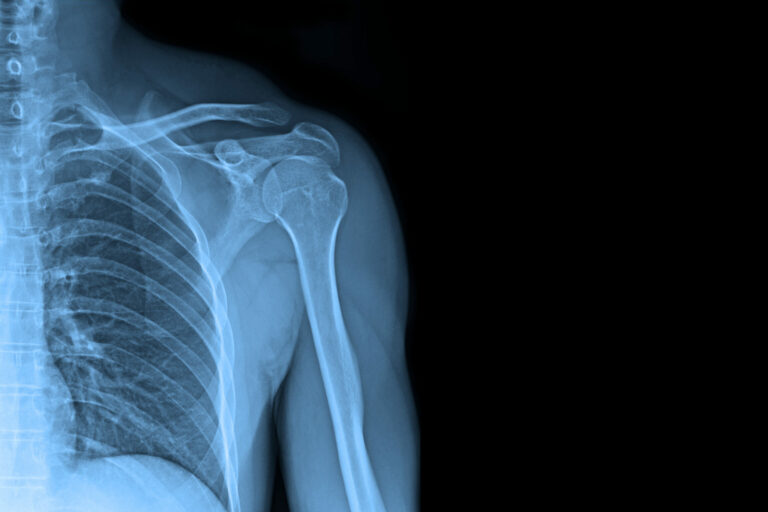
Philips Foundation is providing medical imaging training in underserved communities across the world

Gilead Science’s PrEP Hub® platform is a gamechanger in the fight against HIV – both the disease and the stigma.

Vicon’s Dr. Kim Duffy on how motion capture technology can transform patient recovery.
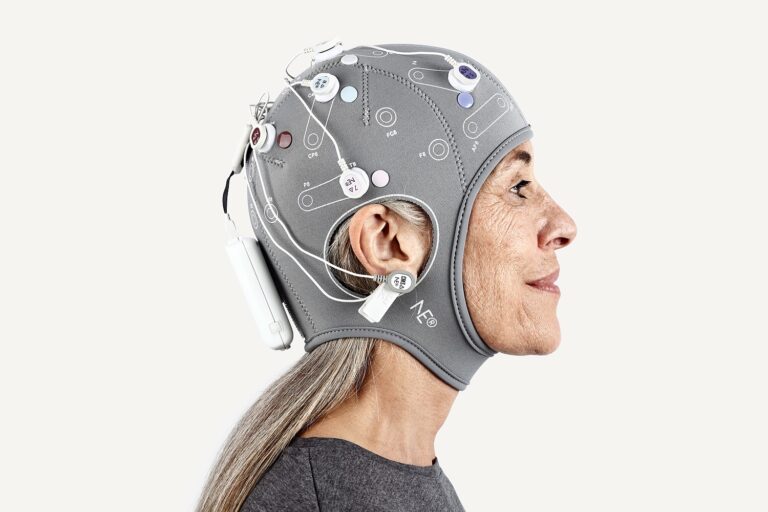
Neuroelectrics’ Ana Maiques explains how brain stimulation can help patients with epilepsy and depression

Technology disorders are on the rise. We visit a Swiss clinic to learn how to best tackle them

Regina Fritsche Danielson on AstraZeneca’s mission to change the course of cardiac medicine

How East of England Ambulance Service’s digital data lake is being used to save lives.

Four female entrepreneurs are using technology to improve girls’ education and access to healthcare around the world

Semtech CEO Mohan Maheswaran on LoRa’s role in building IoT for a truly sustainable digital future.
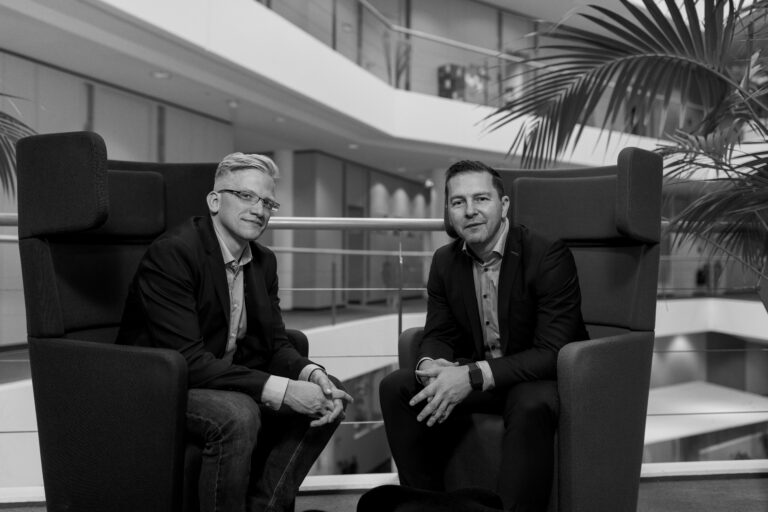
How Hartmann Group has embraced transformation and new digital business models.

In a world plagued by phone scams, Phonely’s groundbreaking technology combines AI monitoring with human intervention, empowering seniors to communicate safely.
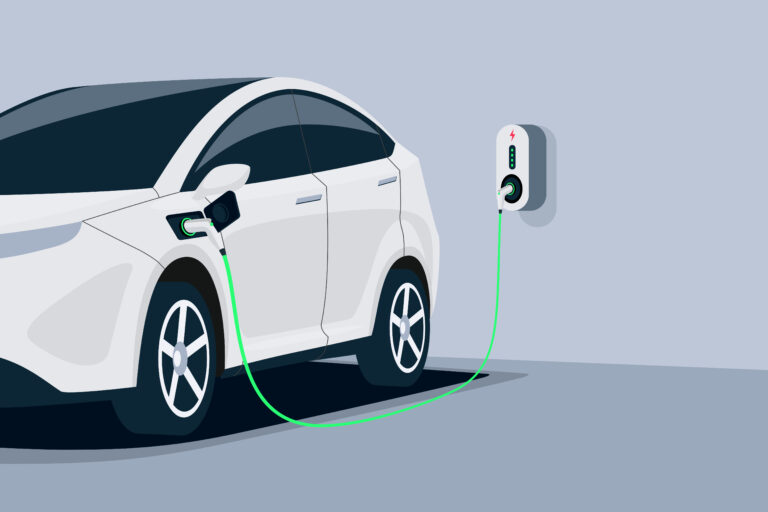
We track the current state of the EV market. How close is the revolution? What are the barriers? And will Tesla dominate forever?

James Pittick, Sustainability Lead at Canon UK, says tech companies must focus on sustainability to attract young workers

Alicia Staley, Chief Patient Officer at Medidata, highlights the need for diversity in clinical trials, exploring how AI and patient-centred technology improve accessibility and inclusivity.
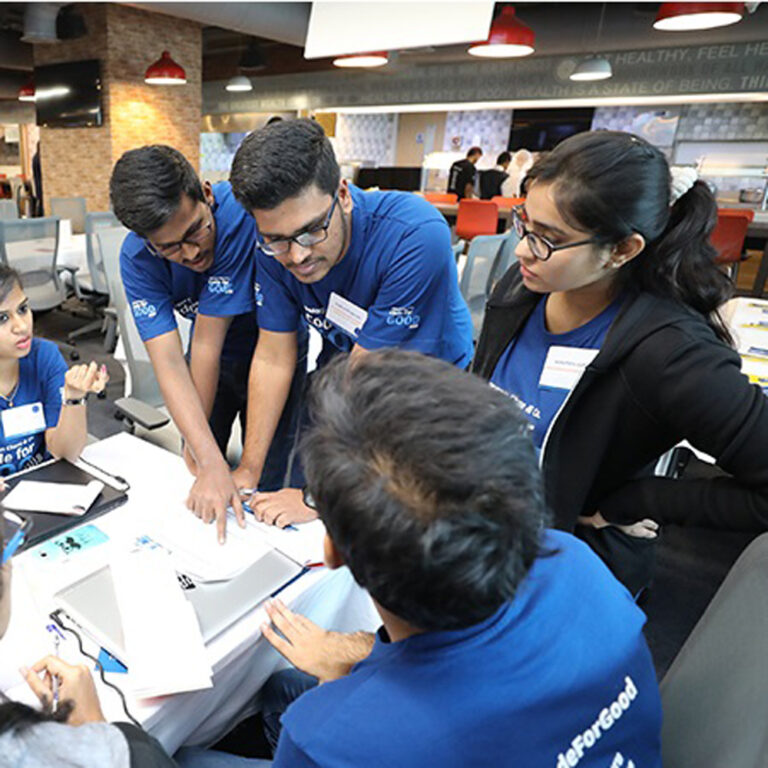
JPMorgan Chase & Co’s Tech For Social Good team is celebrating 10 years of doing good. We spoke to four of its leading voices to find out how it has positively impacted thousands of nonprofits, as well as empowering its own workforce.

Anders Bergtoft is CEO of Charge Amps. In this podcast, Anders charts the EV revolution and discusses the hurdles still to overcome.
Wearable technology seamlessly integrates data to improve health, but concerns about data privacy and over-reliance necessitate careful consideration.
The NHS’ Federated Data Platform faces scrutiny over privacy and requires robust data security
Developed in collaboration with AWS, Cancer Research UK’s new cloud-based platform is having a game-changing effect on matching patients to the most effective potential treatments.
AI and natural-language processing present a huge opportunity for stretched healthcare systems to transform their clinical day-to-day.
The COVID-19 pandemic further exposed the challenges to healthcare iCOVID-19 exposed healthcare challenges in sub-Saharan Africa; Amref’s digital capabilities surged with GSK and Cognizant support.
James Freed, Health Education England CDIO, on the importance of building and leading a digital workforce to create a better tomorrow.
HSCNI, Microsoft and Kainos on their world-beating response to the COVID-19 challenge.
Virgin Media O2’s David Owens on how drones are propelling innovation in healthcare and emergency services.
Align Technology’s Claudia Gallo on how technology is driving dental health
Wireless Logic’s Mark Appleby on supporting remote patient monitoring
HeartFlow’s Charles Taylor on levelling access to healthcare
AWS’s Taha Kass-Hout on why COVID-19 proved to be a turning point for machine learning
Capgemini’s Scott Manghillis on why providers need to accelerate the delivery of frictionless, digital services.
We speak to Dr Fay Couceiro, an expert in environmental pollution, about why plastics is a problem that will only get worse
Elsevier’s Dr. Anton Yuryev on the possibilities of AI disease models
Inspirational Castor CEO Derk Arts discusses his vision for the future of the medical science industry
Philips Foundation is providing medical imaging training in underserved communities across the world
Gilead Science’s PrEP Hub® platform is a gamechanger in the fight against HIV – both the disease and the stigma.
Vicon’s Dr. Kim Duffy on how motion capture technology can transform patient recovery.
Neuroelectrics’ Ana Maiques explains how brain stimulation can help patients with epilepsy and depression
Technology disorders are on the rise. We visit a Swiss clinic to learn how to best tackle them
Regina Fritsche Danielson on AstraZeneca’s mission to change the course of cardiac medicine
How East of England Ambulance Service’s digital data lake is being used to save lives.
Four female entrepreneurs are using technology to improve girls’ education and access to healthcare around the world