

Leading the charge in allergy diagnostics
Thermo Fisher Scientific’s Santhosh Nair explains how advanced in-vitro diagnostics are transforming allergy care across Europe, enabling faster, more precise testing and improving outcomes for millions.
Thermo Fisher Scientific’s Santhosh Nair explains how advanced in-vitro diagnostics are transforming allergy care across Europe, enabling faster, more precise testing and improving outcomes for millions.

HPE’s Janice Zdankus on tackling the global food crisis.

Virgin Media O2’s David Owens on how drones are propelling innovation in healthcare and emergency services.

Bystronic’s Christoph Rüttimann on integrating sustainability into smart business activities.

Yubico’s John Gilbert on how hardware authentication keys can help protect vulnerable populations, and secure human rights.

CrowdStrike’s Zeki Turedi on the UK government’s cybersecurity strategy.

Dataiku’s Simone Larsson on implementing ethical AI governance at scale.

Eastnets’ Deya Innab on how banks can help stop environmental crime

Avaya’s Stephen Cunningham on accelerating digital innovation in the public sector

Align Technology’s Claudia Gallo on how technology is driving dental health

Wireless Logic’s Mark Appleby on supporting remote patient monitoring
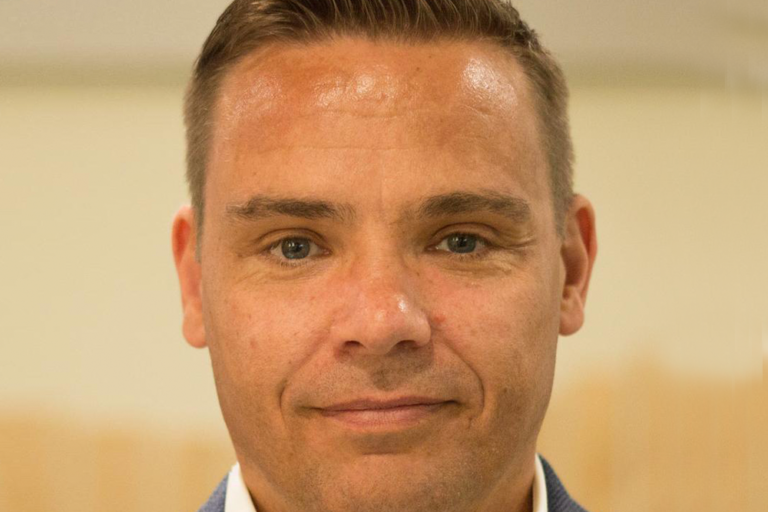
RingCentral’s Steve Rafferty on how collaboration technology can benefit the public sector

HeartFlow’s Charles Taylor on levelling access to healthcare

Estonia’s Ott Velsberg on Bürokratt and the death of citizen bureaucracy

Canon Europe’s Andy Tomkins on making sustainability a business priority

Degreed’s Janice Burns on the importance of continuous workplace learning

Citrix’s Gerard Lavin on how to make more sustainable technology choices

WhereIsMyTransport’s Chantal Lailvaux on the road to women’s safety

Otter.ai’s Simon Lau on how hybrid work has improved workplace inclusivity

Why visibility is absolutely essential

Digital Catapult’s Dr David Pugh on the importance of collaboration in the road towards net-zero

Distributed’s CEO Callum Adamson on how remote working will benefit business and the planet

AWS’s Taha Kass-Hout on why COVID-19 proved to be a turning point for machine learning

Capgemini’s Scott Manghillis on why providers need to accelerate the delivery of frictionless, digital services.
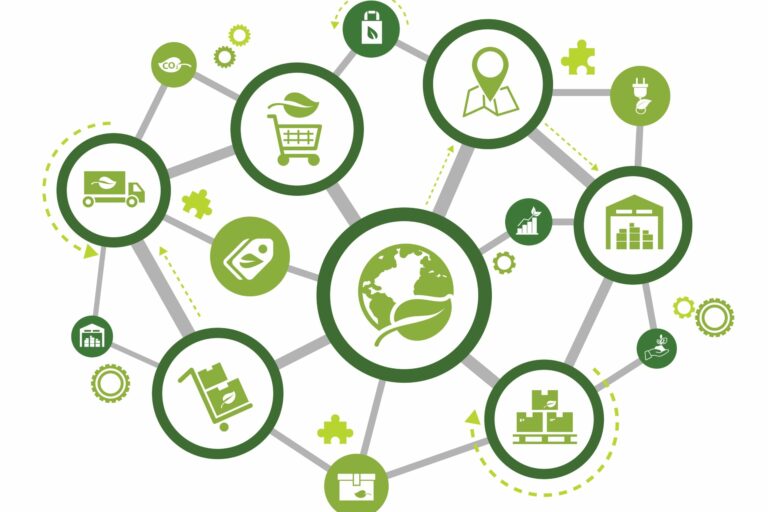
IBM’s Roberto Battistoni on how technology can help drive supply chain sustainability

Norfolk County Council CTO, Kurt Frary shares his burning desire to leverage technology to improve the lives of every citizen and business in the county.

Researchers at the University of Plymouth have shown that developing tech with – not for – the digitally excluded can produce remarkable results.

Blockchain could provide a transparent, safe, and incentivised mechanism for the distribution of welfare, says Accenture’s Chloe Tartan.

Andrea Danes is Global Human Services Leader for EY.
In this podcast, Andrea discusses the company’s work to support vulnerable populations.

Heading text Some text

Lenovo’s Ian Jeffs on how Big Data holds the key for large businesses looking to use their influence as a force for good.
HPE’s Janice Zdankus on tackling the global food crisis.
Virgin Media O2’s David Owens on how drones are propelling innovation in healthcare and emergency services.
Bystronic’s Christoph Rüttimann on integrating sustainability into smart business activities.
Yubico’s John Gilbert on how hardware authentication keys can help protect vulnerable populations, and secure human rights.
CrowdStrike’s Zeki Turedi on the UK government’s cybersecurity strategy.
Dataiku’s Simone Larsson on implementing ethical AI governance at scale.
Eastnets’ Deya Innab on how banks can help stop environmental crime
Avaya’s Stephen Cunningham on accelerating digital innovation in the public sector
Align Technology’s Claudia Gallo on how technology is driving dental health
Wireless Logic’s Mark Appleby on supporting remote patient monitoring
RingCentral’s Steve Rafferty on how collaboration technology can benefit the public sector
HeartFlow’s Charles Taylor on levelling access to healthcare
Estonia’s Ott Velsberg on Bürokratt and the death of citizen bureaucracy
Canon Europe’s Andy Tomkins on making sustainability a business priority
Degreed’s Janice Burns on the importance of continuous workplace learning
Citrix’s Gerard Lavin on how to make more sustainable technology choices
WhereIsMyTransport’s Chantal Lailvaux on the road to women’s safety
Otter.ai’s Simon Lau on how hybrid work has improved workplace inclusivity
Why visibility is absolutely essential
Digital Catapult’s Dr David Pugh on the importance of collaboration in the road towards net-zero
Distributed’s CEO Callum Adamson on how remote working will benefit business and the planet
AWS’s Taha Kass-Hout on why COVID-19 proved to be a turning point for machine learning
Capgemini’s Scott Manghillis on why providers need to accelerate the delivery of frictionless, digital services.
IBM’s Roberto Battistoni on how technology can help drive supply chain sustainability
